
Rest Your Eyes Naturally: Sleep, Walks, and Screen Pauses
After age 50, our eyes experience natural shifts in focusing flexibility and tear film stability. Discover realistic, non-strenuous daily habits—from morning barangay walks to screen-free evenings—designed for sustainable visual comfort in everyday Philippine homes.
The Three Pillars of Everyday Eye Comfort
Sustainable eye rest does not require complicated eye exercises or expensive gadgets. Comfort comes from combining three realistic lifestyle habits that naturally support your ocular system throughout the day.

Gentle Neighbourhood Walks
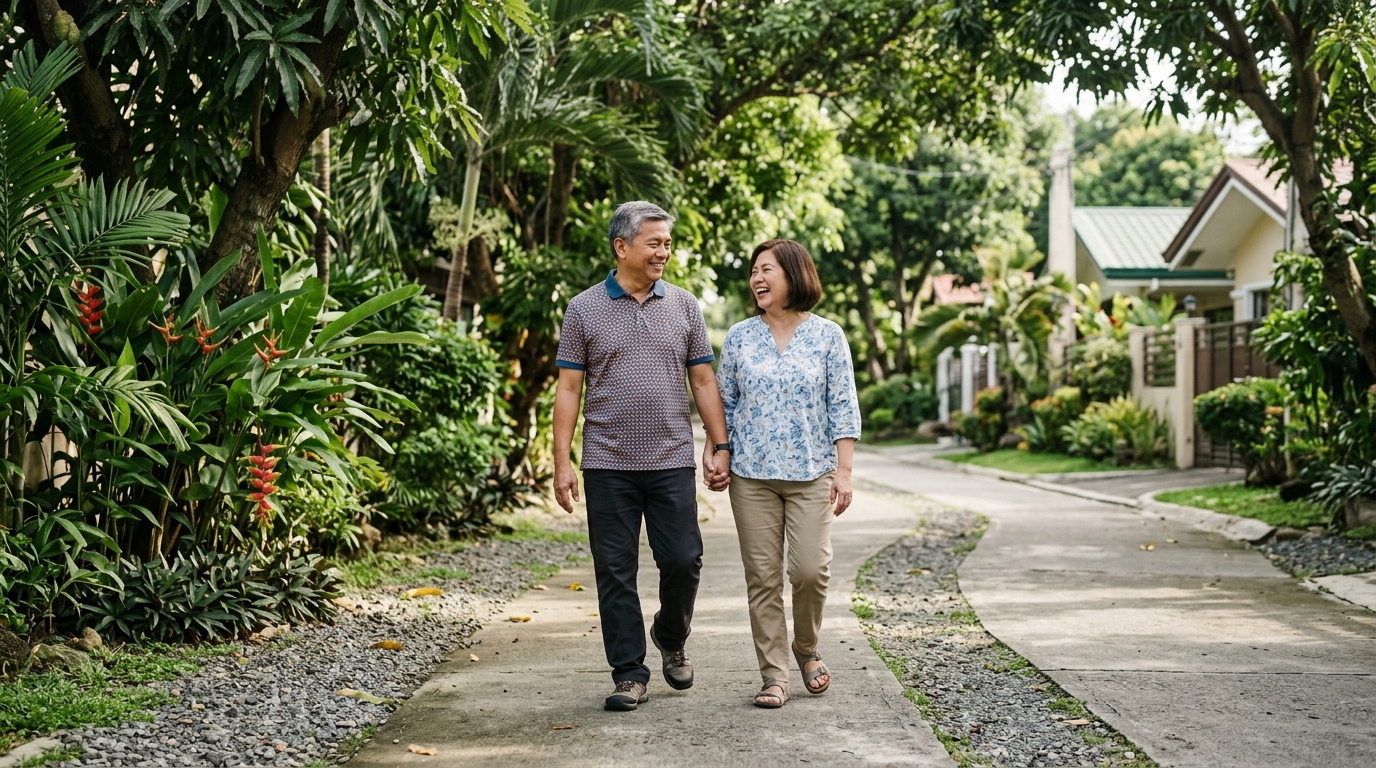
Walking allows your eye muscles to shift from constant near-range focus (phones and reading) to relaxed, far-distance horizons. Stepping outside in the gentle morning air in Quezon City, Cebu, or your local barangay stimulates healthy blood circulation without joint strain.
Explore Walking Routines →Screen-Free Time Intervals
When staring at digital screens, our spontaneous blinking rate drops by more than 50%, accelerating tear film evaporation. Regular 20-second pauses and deliberate breaks between household chores help replenish moisture and relieve strain.
Learn Screen-Free Planning →Restorative Evening Sleep
Sleep is when your cornea repairs micro-abrasions and your tear film regenerates. Putting phones away an hour before bed avoids sleep-disrupting blue frequencies, supporting steady melatonin production and deep restorative sleep.
Build an Evening Wind-Down →The Distance Pause: Relaxing Near-Focus Tension
When you read text on a smartphone or tablet, the tiny ciliary muscles inside your eyes contract to focus the lens. After age 50, the crystalline lens is naturally less pliable (presbyopia), making prolonged contraction more tiring.
Looking into the distance—such as out an open window at trees or distant buildings—allows these muscles to completely relax. It takes only 20 seconds, requires no cost or equipment, and can be integrated between phone messages or reading chapters.

Practical Tools Tailored to Your Routine
Use our interactive tools to evaluate your daily habits, generate customized recommendations, or structure a realistic weekly schedule that fits your lifestyle.
Daily Eye Rest Checklist
Evaluate 9 essential eye comfort, walking, and sleep habits. View your live progress percentage and receive tailored advice for any unchecked areas.
Open Checklist →Daily Eye Rest Assistant
Tell the assistant about your primary setting, challenges, and daily schedule to generate an immediate, personalized eye-rest action plan.
Launch Assistant →Eye Rest Routine Builder
Compare indoor vs. outdoor habits, filter morning vs. evening options, and create a printable daily habit timetable customized for your household.
Build Schedule →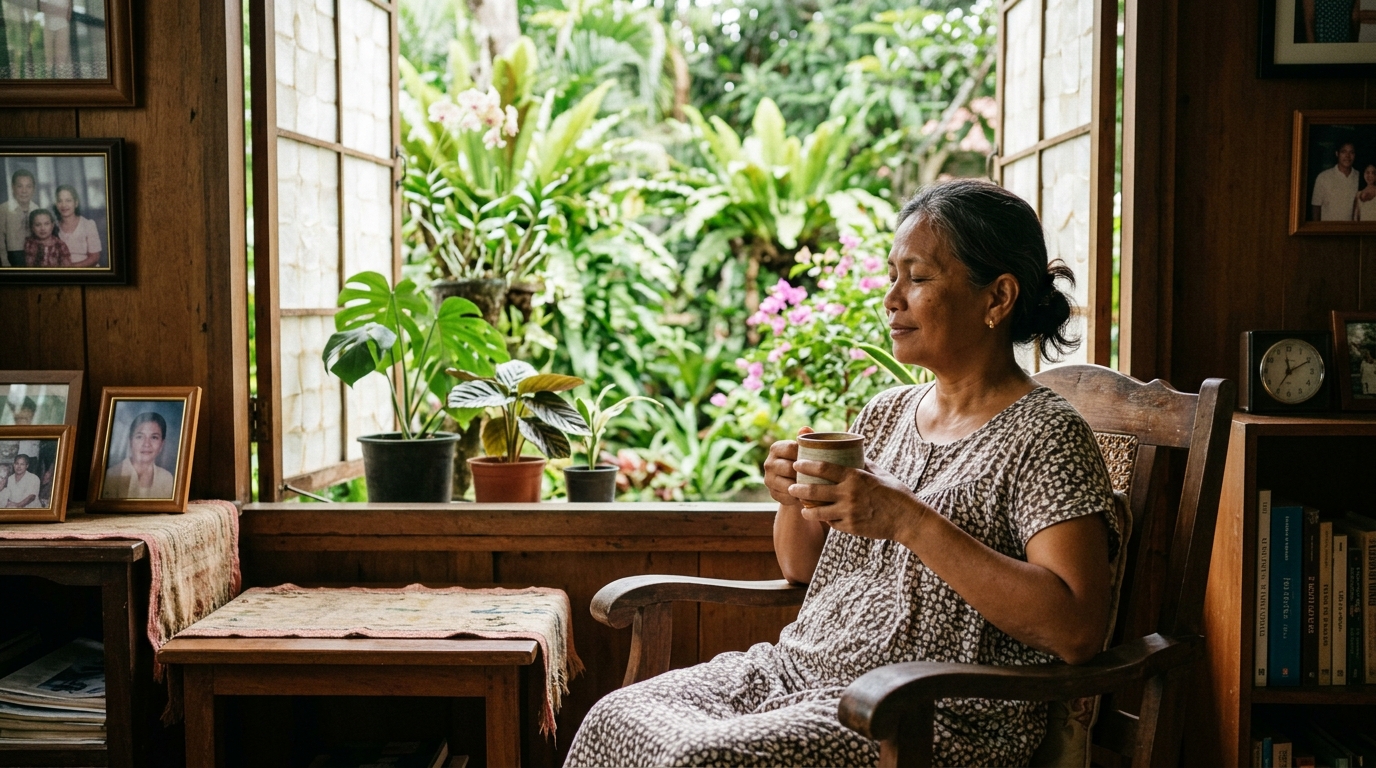
Designed for Real Philippine Homes and Schedules
You don't need a gym membership, ergonomic gaming chairs, or an isolated quiet room. Eye rest is about taking advantage of natural pauses during your existing day:
- Morning Market or Barangay Walks: Walking to the local talipapa, bakery, or convenience store before 8:00 AM provides gentle physical exercise and distance vision.
- Jeepney and Commute Breaks: Instead of reading small social media text on a bumpy vehicle, look ahead out the window and relax your gaze.
- Balcony and Veranda Breaks: Stepping onto a terrace or porch with a cup of warm water allows your eyes to take in natural ambient greenery.
- Family Dinner Conversations: Keeping phones off the dining table gives both your eyes and mind a comfortable social break.
Educational Boundary & Medical Disclaimer
The information published on Vision Nutrition Flow is for independent educational purposes to support everyday visual comfort, healthy sleep habits, and gentle physical activity after age 50. Lifestyle habits do not diagnose, treat, prevent, or cure any eye disease, nor do they eliminate refractive errors or replace prescription glasses. Persistent eye strain, pain, sudden vision changes, or recurring dryness require assessment by a licensed eye-care professional (optometrist or ophthalmologist). Sudden loss of vision requires immediate emergency medical attention.