
Sleep, Walking, and Screen-Free Habits
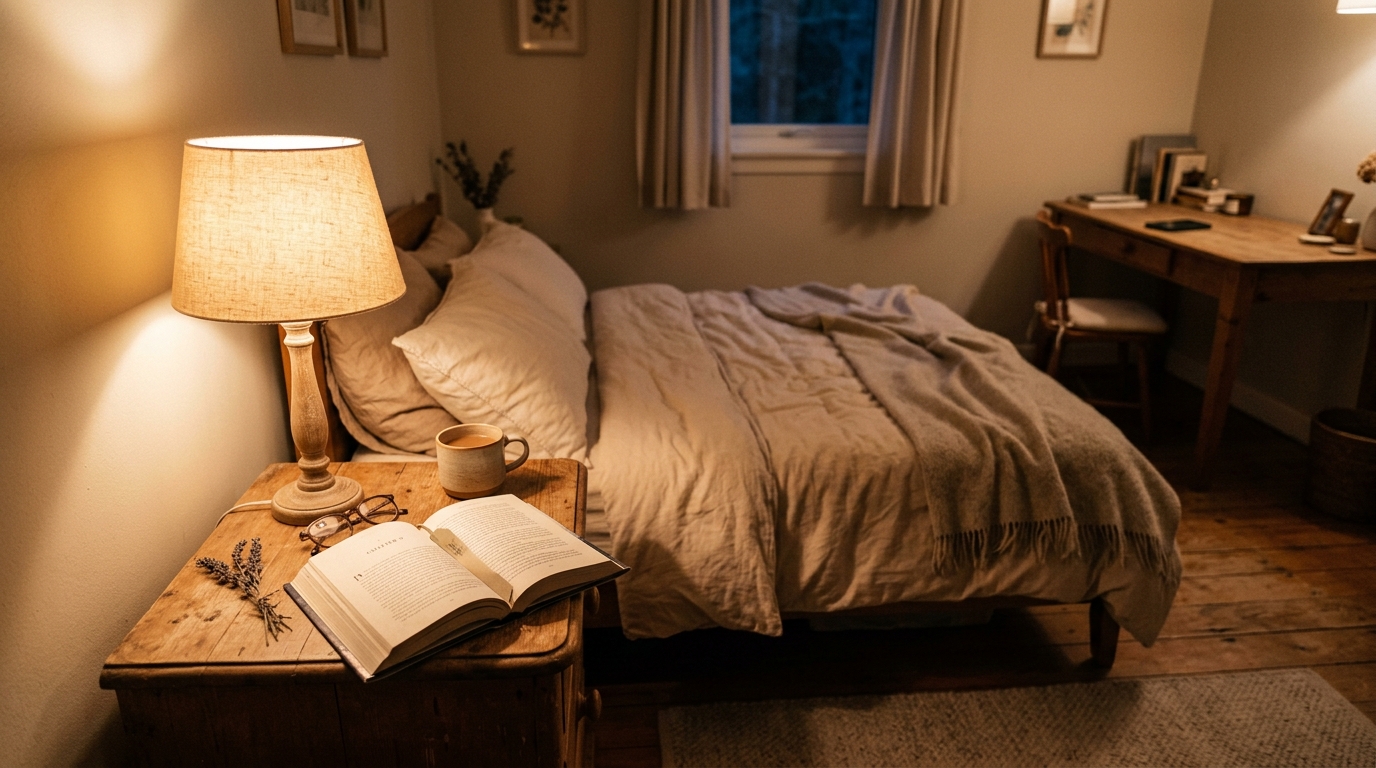
Many people seek a single miracle solution for tired eyes—a special pair of glasses, an eye drop, or a 10-minute eye exercise. In practice, visual comfort after 50 is supported by the combined synergy of three everyday lifestyle pillars: restful sleep, gentle walking, and deliberate screen-free pauses.
The Power of the Triad
Each of these three elements addresses a different biological need of your eyes:
- Sleep restores surface moisture, clears cellular waste, and resets neurological fatigue.
- Walking moves you out of static indoor rooms, encourages distance viewing, and promotes gentle whole-body cardiovascular circulation.
- Screen-Free Breaks stop the cycle of continuous near-range muscle contraction during your waking hours.
If you only take short screen breaks but stay awake until 1:00 AM scrolling social media in bed, your eyes will still feel irritated and dry the following morning. Conversely, getting plenty of sleep cannot completely offset 10 hours of unpaused near-work during the day. Balancing all three pillars creates a resilient routine.
Sleep as Overnight Ocular Repair
During sleep, the eyelid acts as a protective shield. Blood vessels in the palpebral conjunctiva supply vital oxygen directly to the cornea while tears are conserved under closed eyelids.
When sleep is irregular or abbreviated, this recovery period is truncated. Chronic sleep deprivation is closely correlated with dry eye symptoms, light sensitivity, and difficulty sustaining visual concentration throughout the afternoon.
Walking as Dynamic Focal Shift
Unlike walking on a treadmill facing a wall or TV screen, outdoor walking through your subdivision or barangay requires dynamic spatial coordination. Your gaze continuously shifts between the ground ahead, oncoming vehicles, distant trees, and passing neighbours.
This gentle, continuous shifting stimulates the full range of visual accommodation, preventing the rigid muscular cramping associated with fixed 40-centimeter phone screens.
Screen-Free Daily Buffers
Screen-free time does not mean you must abandon technology entirely. Rather, it means creating intentional "islands of downtime":
| Daily Moment | Common Screen Habit | Restful Screen-Free Alternative |
|---|---|---|
| Breakfast | Reading news feeds on a phone | Savoring your meal, looking out the window, chatting with family |
| Midday Break | Watching short videos on mobile | Resting eyes closed for 5 minutes, gentle stretching |
| Commuting | Checking messages on bumpy roads | Resting your gaze on the street or scenery ahead |
| Bedtime | Checking phone in the dark | Listening to gentle radio, reading a paperback book, relaxing |
Creating a Unified Daily Flow
To make these habits second nature, link them to existing daily events rather than trying to follow an artificial schedule. For example:
- Morning: Take a 20-minute walk before breakfast while the temperature is pleasant.
- Midday: Practice 20-second distant window gazes every time you finish a chore or task.
- Evening: Place your mobile phone in another room 45 minutes before sleep to protect your sleep quality.
Educational Boundary & Medical Disclaimer
The information published on Vision Nutrition Flow is for independent educational purposes to support everyday visual comfort, healthy sleep habits, and gentle physical activity after age 50. Lifestyle habits do not diagnose, treat, prevent, or cure any eye disease, nor do they eliminate refractive errors or replace prescription glasses. Persistent eye strain, pain, sudden vision changes, or recurring dryness require assessment by a licensed eye-care professional (optometrist or ophthalmologist). Sudden loss of vision requires immediate emergency medical attention.